
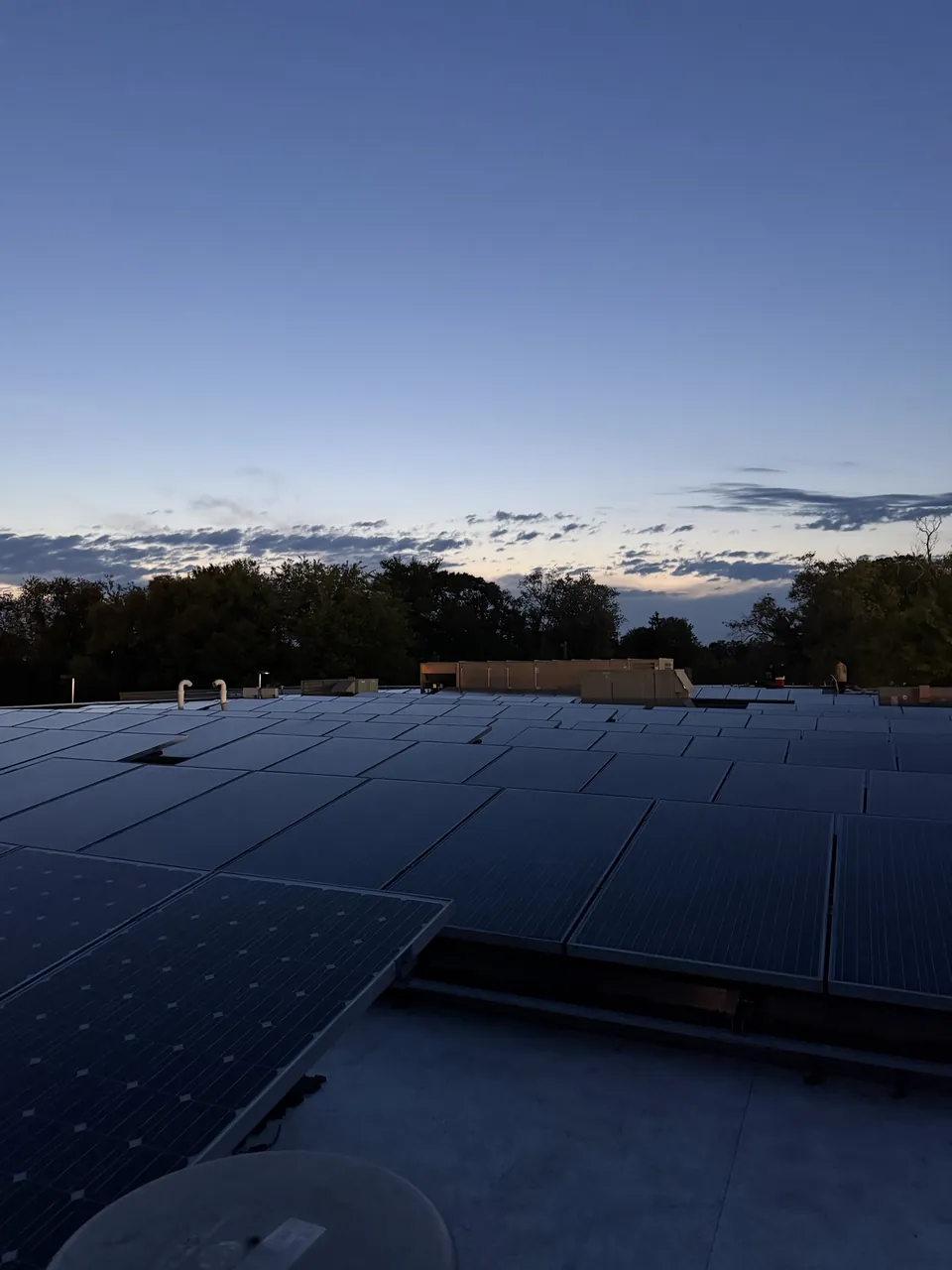
The work
Solar gets sold as something you put on a roof and forget about, and for the most part that is true. What is also true is that the array is outside in the weather, bolted to a roof, wired with connectors that expand and contract every day of its life. Clamps loosen. Connectors corrode, especially within a few miles of the bay. Sealant around a penetration ages. A tree that was a sapling when the system went in starts shading the bottom row in the afternoon. None of that announces itself; it just quietly takes a few percent off the number every year until something fails outright. A maintenance visit is a working inspection: torque and clamps checked, connectors and conduit inspected, penetrations and flashing looked at, the inverter's fault history read, the array cleaned if it needs it, and the output measured so this year has something to be compared against.
What is included
- Clamps and racking hardware checked and retorqued where needed
- Connectors, conduit and conductor runs inspected for wear and corrosion
- Roof penetrations and flashing inspected and resealed if they need it
- Inverter fault history read and the monitoring checked against expected output
- A written record each visit so there is a baseline to compare against
How we run it
- 01
Read the monitoring
This year against last year, so we get on the roof knowing what we are looking for.
- 02
Inspect the array
Clamps, racking, connectors, conduit, flashing and sealant, plus anything growing into the array's light.
- 03
Put it right
Retorque, reseal, replace what is worn and clean the glass if it needs it.
- 04
Record it
Readings and photographs kept, so the next visit has something to measure against.
Asked about this
How often does a system need looking at?
That depends on where it is and what is around it. Coastal and rural systems need a shorter cycle than a system in an open suburb. We will tell you what yours needs after the first visit.
Is this worth it if my system seems fine?
The point of it is that a system usually seems fine right up until it does not. A loose clamp or a corroding connector costs very little to put right while it is still only that.